2026-09-03 · Rick Calder
Pressurized Irrigation Line Breaks: What Every Meridian Homeowner Should Know
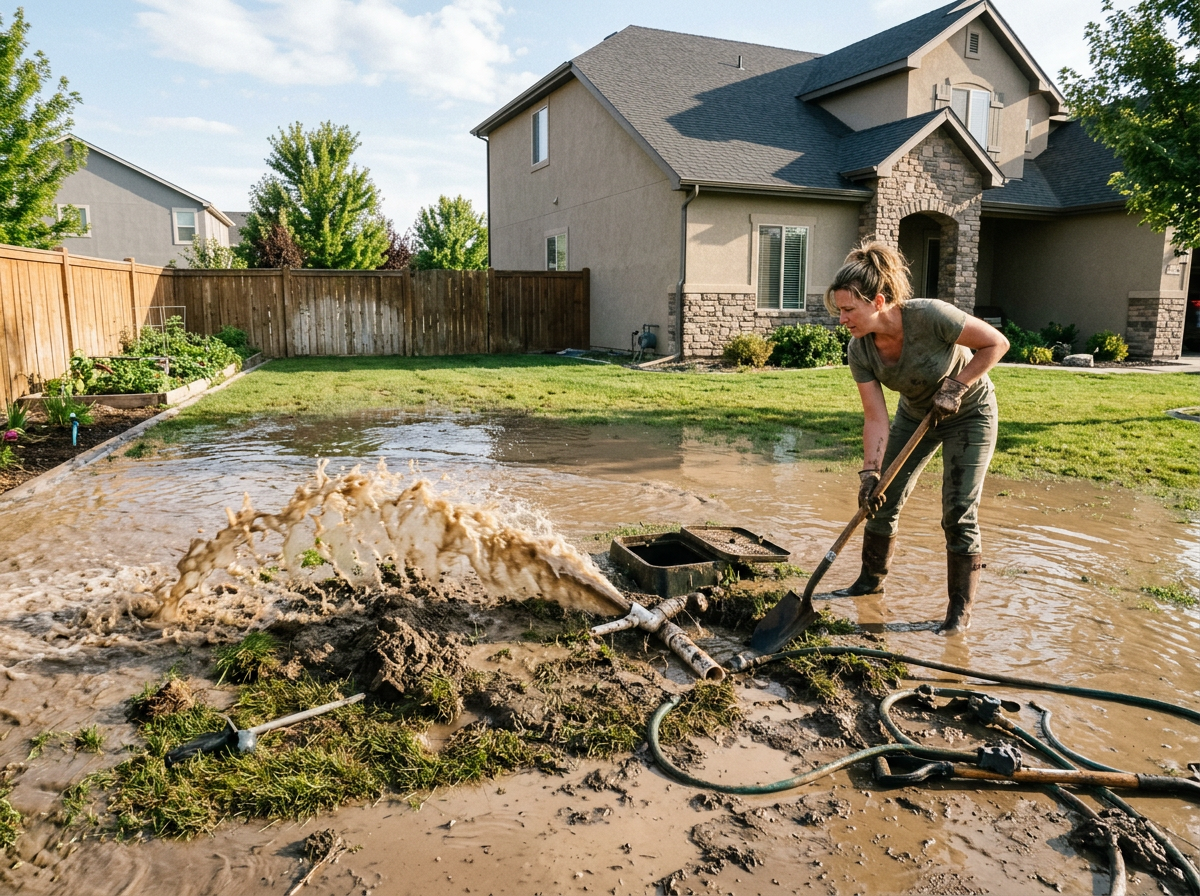
Pressurized irrigation line breaks in Meridian typically release 500 to 2,000 gallons before homeowners notice water under the house, especially in post-1993 subdivisions where shallow back-lot lines sit close to crawl spaces. These failures cluster from April to October during irrigation season as rising water tables push against aging pipes. The 2,700-foot semi-arid air speeds surface drying yet hides moisture in framing and soil for days afterward.
Why These Breaks Happen in Meridian Subdivisions
Post-1993 Meridian neighborhoods rely on pressurized irrigation systems that deliver water through shallow lines running behind lots. During irrigation season the water table rises and exerts extra pressure on joints and fittings already stressed by freeze-thaw cycles earlier in the year. Homeowners often discover the problem only after water migrates under the house and pools in the crawl space. The dry local air masks the issue because surface soil dries quickly while deeper moisture lingers. Many cabins and homes left unoccupied for even a few days see leaks go unnoticed until significant water accumulates.
Early Signs Under Your Home
Water stains on crawl-space vapor barriers or damp soil along the back wall of the lot usually appear first. A sudden drop in water pressure or unexplained wet spots in the yard near the irrigation valve box can signal a break. Homeowners may also notice higher indoor humidity readings above 55 percent or musty odors drifting from floor vents. In many Meridian cases the first clear indicator is standing water visible only after lifting a crawl-space access panel. Checking these areas monthly during irrigation season helps catch problems before they reach the 24- to 48-hour window when mold risk increases inside enclosed spaces.
What to Do When You Find Water
Turn off the irrigation system at the main valve immediately to stop additional flow. Avoid entering the crawl space if water depth exceeds a few inches or if electrical outlets are nearby. Document visible water levels and any affected insulation or ductwork with photos for later reference. Contact a local service familiar with Treasure Valley crawl spaces for crawl space water extraction to remove standing water before it spreads into framing. Professional assessment can determine whether the break requires irrigation line break cleanup and how many days of drying equipment will be needed given the dry air.
Drying Challenges in Local Conditions
Treasure Valley air at 2,700 feet often drops relative humidity below 30 percent outside, which pulls moisture from surfaces quickly but leaves hidden pockets in joists and subflooring. In an enclosed crawl space this contrast creates a 24- to 48-hour mold window once temperatures stay above 60 degrees. Equipment must run for 3 to 5 days in most cases to bring moisture content below 12 percent in wood. Homeowners who attempt DIY drying frequently miss these pockets and face recurring humidity issues the following irrigation season.
Cost Factors Specific to Meridian Irrigation Breaks
Typical extraction and drying for a Meridian crawl-space irrigation leak ranges from $1,200 to $3,800 depending on water volume and access difficulty. Factors that raise costs include deeper water migration into insulation, the need for dehumidification in low-airflow spaces, and any required vapor-barrier replacement. For a full breakdown of regional pricing see what water damage restoration costs in the Treasure Valley. Early detection before mold develops keeps most jobs on the lower end of that range.
Check your crawl space access panel and yard valve boxes every two weeks during irrigation season. Note any pressure changes or damp soil immediately and schedule extraction before the 48-hour mark to limit hidden moisture in framing.